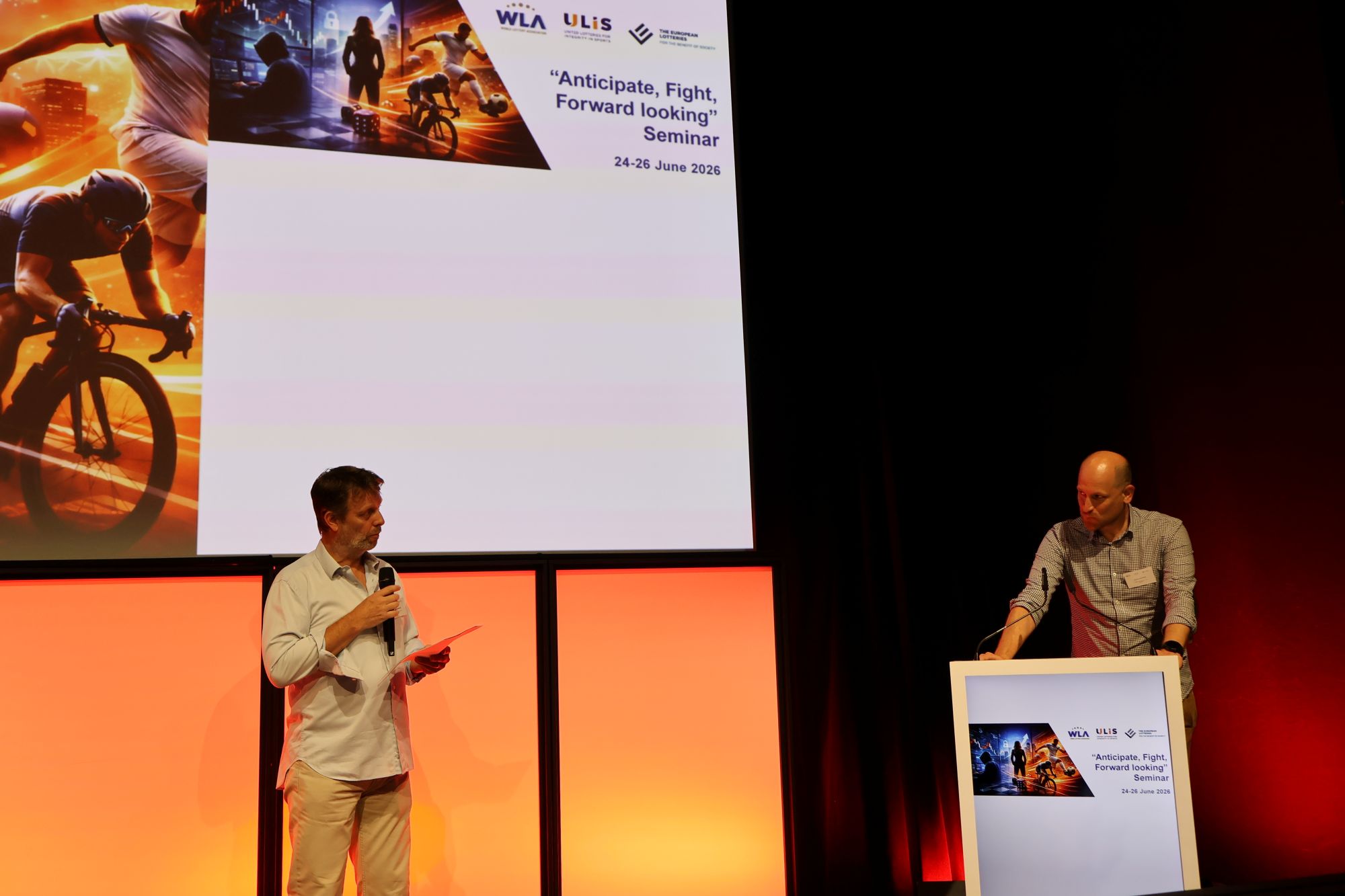
Opening addresses
Friedrich Martens, Head of OM Unit PMC, International Olympic Committee
It is great to see this group get bigger and stronger with many stakeholders, who are relevant to the IOC because of their work with our sister organizations, the National Olympic Committees. Congratulations to WLA, ULIS and EL for this first of its kind event.
Jean-Luc Moner-Banet, ULIS President
There is no better place than the IOC to hold this event. We are here to protect the value of sports, public trust and credibility of sports. This is the first time to join forces with WLA and EL for this event. The challenges are too interconnected and fast moving for any of us to tackle alone and this is why we have gone beyond integrity to also address security and risk.
Luca Esposito, WLA Executive Director
We want to anticipate, understand and prevent certain illegal activities, manage risk, defend ourselves and combat illegal gambling. Our industry gave back USD 110billion to good causes last year. Our industry is unique because we can do this in a reasonable and responsible way. Trust gives us this opportunity to fight for our industry’s values, but collaboration is key and together we can be even more successfully.
Piet Van Baeveghem, EL Secretary General
You don’t have a future if you don’t know your past. Illegal activities are not new; they are centuries old. Challenges we face today are not new. The question is what can we learn from the past? Illegal gambling is very complex and we can only overcome this issue if all stakeholders, including regulators, legislators, media and sports organizations, work together. If lotteries don’t stand up against illegal and irresponsible gambling, it could endanger the most importantvalue of trust.
Anticipate: Understanding risk before it materializes
WLA Security and Risk Management Committee toolkit for members
Fabien Maréchal Head of Corporate Cybersecurity, FDJ United, and Vice Chair of the WLA Security and Risk Management Committee (SRMC), highlighted the tools and materials developed by the WLA SRMC for members, including: the survey, WLA Risk Register and four new risk profiles on: growth in illegal markets, supply chain, increased regulatory scrutiny and compliance requirements, and AI cyber attack with a focus on betting.
Trust under pressure
Security comes down to trust, and trust is increasingly under pressure.
Maréchal and Jérémy Couture, Head of Lottery Cybersecurity at FDJ United, provided a thought-provoking presentation which raised plenty of questions.
The closer attackers get to trust, the greater the potential impact when they undermine confidence, integrity and legitimacy.
AI technologies help this process by deploying cloned voices, fabricated identities, perfected email messages – all fake realities.
Can controls keep up with the tech? Can automated systems be trusted? In a supply chain in which businesses depend on systems, services and decisions they don't control, do operations stop if one part fails?
“Not all breaches will bring down a system. Today, it's about remaining operational while recovering, knowing all the risks and what would cause management to halt operations.”
Conclusion: Is your organization dealing with outdated crisis scenarios or preparing for the events most likely to challenge trust?
Roundtable on Integrity in Sport: Shared Responsibilities
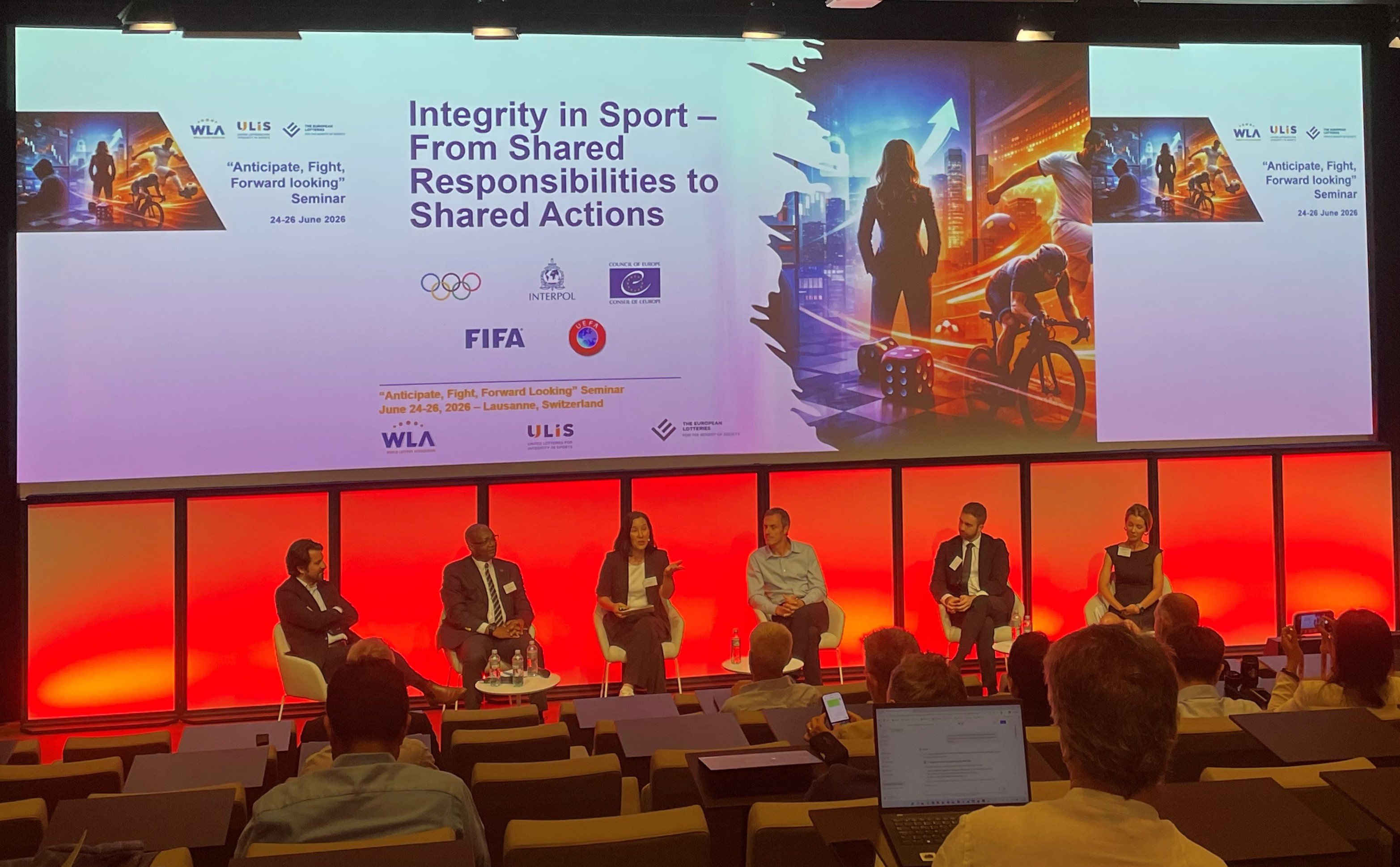
Moderated by Cristina Swan, ULIS Projects Manager, Communications & Administration, panellists: Liam Rich, FIFA Senior Integrity Manager; Dieter Braekeveld, International Olympic Committee; Richard Evina Engolo, Interpol Criminal Intelligence Officer; Angela Celestino, UEFA Intelligence Manager, and Nicolas Sayde, CoE Coordinator, Sport Integrity Division, discussed cooperation models, intelligence sharing, and competitions protection, and the role of regulated operators.
Fight: Operational enforcement and market protection
WLA and UNIL joint project to size illegal gambling markets
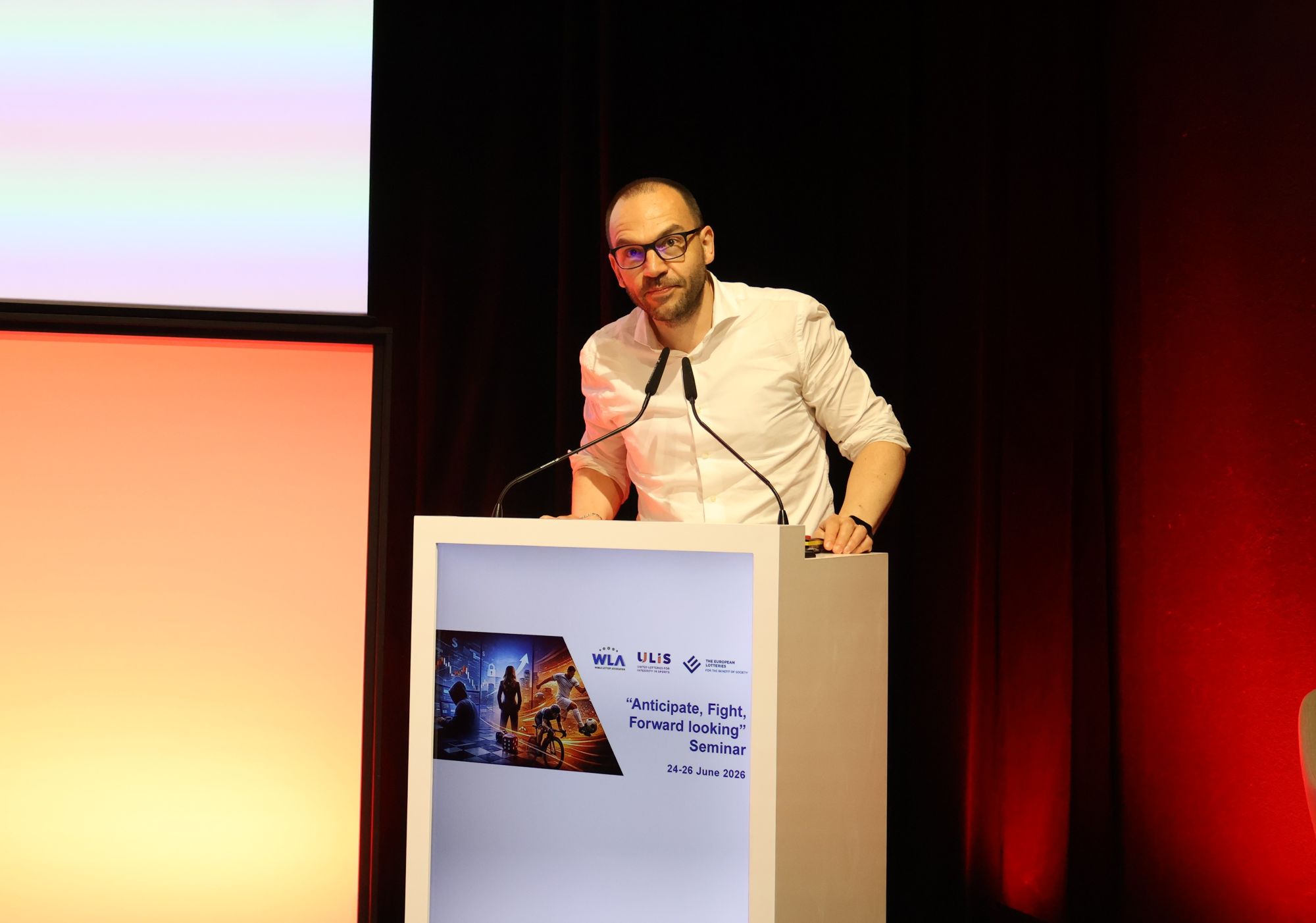
Stefano Caneppele, Professor in Criminology, University of Lausanne (UNIL), presented the findings of the key joint project between WLA and UNIL, to develop a standardized methodology to size illegal gambling markets, which cover illegal online betting and online gaming.
The illegal gambling market has grown substantially in scale, complexity, and geographic reach. Driven by digital transformation and uneven regulatory modernization, it now poses material risks to fiscal revenues, consumer welfare, and regulated gaming integrity.
The WLA/UNIL Project addresses the point that no public, standardized, cross-jurisdictional methodology currently exists to estimate the size of illegal gambling markets in a rigorous, reproducible, and policy-relevant manner.
It equips public authorities and institutional stakeholders with a robust methodological framework — facilitating evidence-based dialogue among regulators, enforcement agencies, and international organizations.
“The absence of public and comparable data on online illegal gambling markets — despite the existence of estimates produced by various experts and stakeholders, often without methodological consensus — is itself a governance problem.”
Without a public, standardized, cross-jurisdictional methodology, policymakers rely on self-reported estimates, inconsistent proxies, or non-replicable methodologies — making evidence-driven regulation nearly impossible.
Caneppele highlighted the project's key findings:
The Framework is designed as a governance tool first, which is what gives it credibility, to inform regulatory decisions, institutional dialogue and data ecosystem improvement.
Estimation is possible and necessary. It is not possible to directly measure an illegal market. But using the right methodology – looking at channelization rates, meaning what share of gaming activity the licensed market is actually capturing – structured, defensible estimates can be produced. The Project validated this across six pilot jurisdictions: the UK, Quebec, Chile, Singapore, Morocco, and Germany, offering a meaningful proof of concept.
Methodology is credibility. In a space where anyone can claim a number, the WLA’s real advantage is having the most rigorous and transparent process for producing those numbers.
Uncertainty is information, not a weakness. In the case of Germany, a very wide range of possible outcomes was demonstrated. Rather than a model failing, the model is telling something true, and important: the German market is in structural transition, and the data environment is volatile. This should be communicated honestly, rather than drawing conclusions the data doesn’t support.
The Macolin Convention
The Macolin Convention developed by the Council of Europe, is the first and only legally binding international instrument on competition manipulation which provides the definition of legal versus illegal sports betting as "any sports betting activity whose type or operator is not allowed under the applicable law of the jurisdiction where the consumer is located". It is open to every country, and beyond Europe, has 43 signatories and 16 countries ratified.
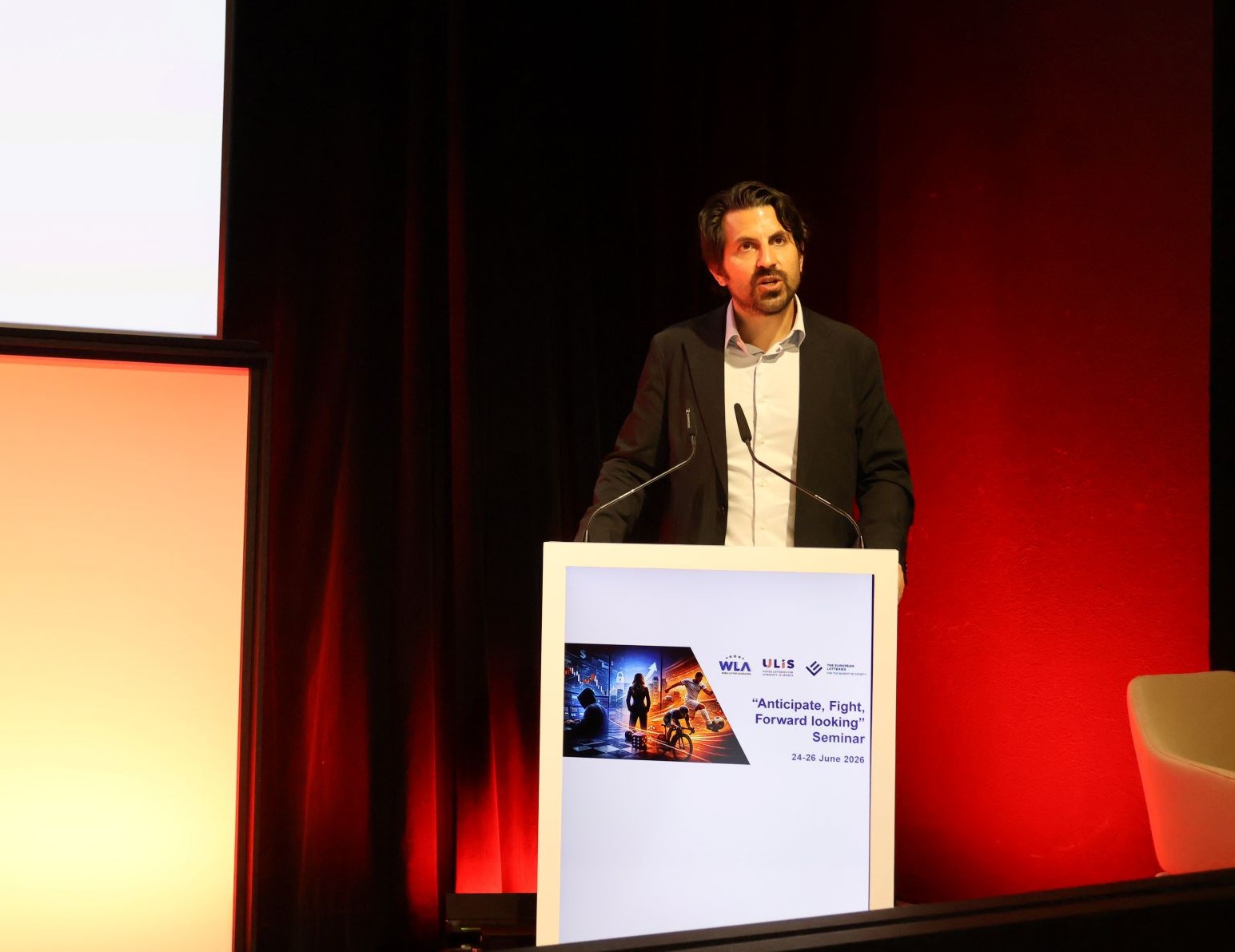
Nicolas Sayde, Coordinator, Sports Integrity Division, at the Council of Europe underscored the importance of the definition which is vital for collaboration in the global effort to combat match fixing and related illicit activities.
"The lotteries have a key role to play in helping countries sign the Convention and build a national platform."