WLA project lead discusses new framework for sizing illegal gambling markets
Against a backdrop of growing illegal gambling markets around the world, the WLA Combating Illegal Operators Committee (CILBC) ramped up efforts to support its members, through a joint project with the University of Lausanne, School of Criminal Justice, begun in 2024, to develop a standardized method for estimating illegal gambling markets.
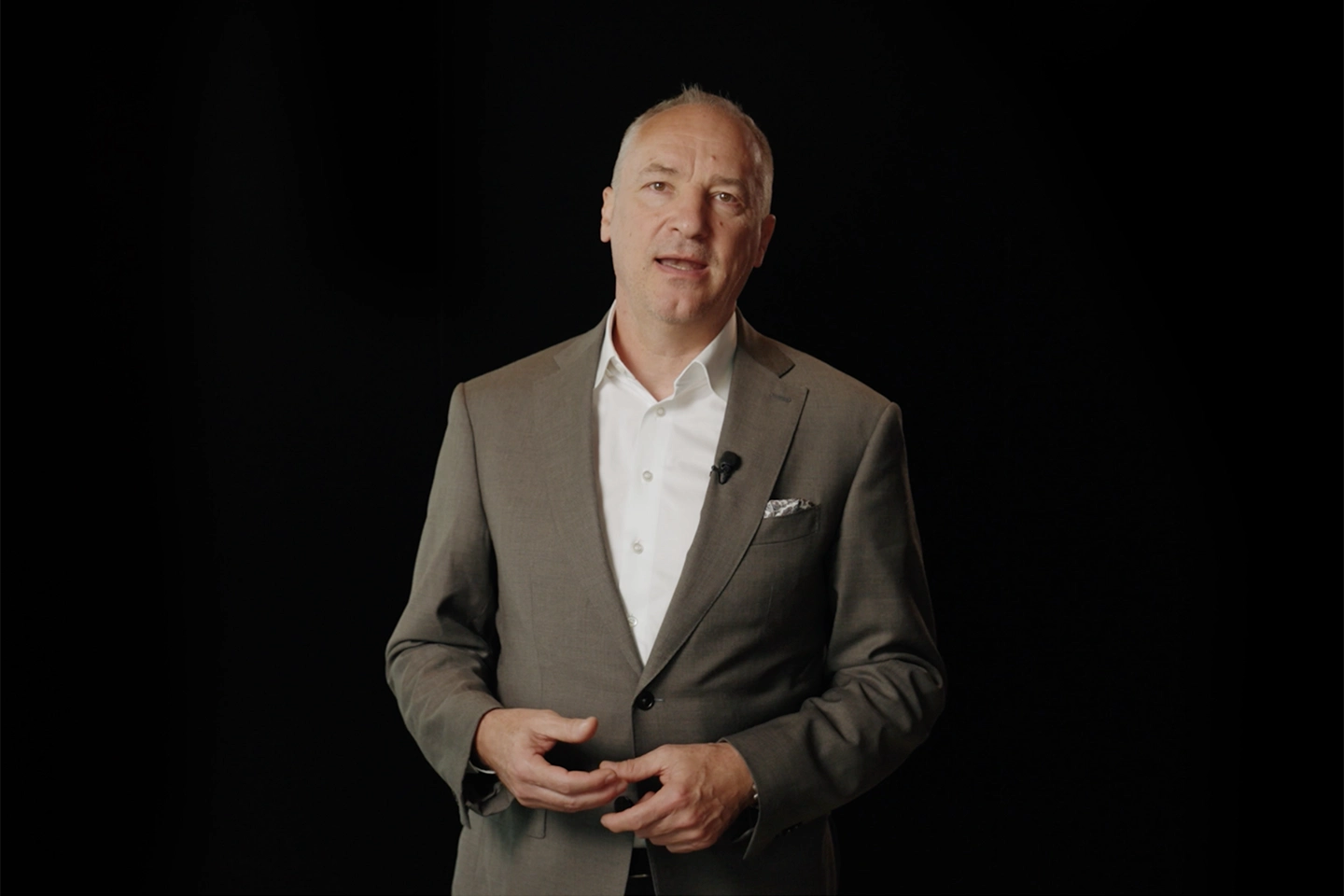
Robert Chvátal, Chair of the CILBC gave an interview on the report findings released in May.
What was the goal of the joint WLA/UNIL project, and how does it contribute to the global effort to combat illegal betting operators?
Let me start with what might sound like a simple observation: you cannot fight what you cannot measure.
For years, our industry has been aware that illegal gambling operators are operating at a very significant scale – diverting revenues that should be flowing to public finances, to good causes, and to the licensed operators who play by the rules and invest in consumer protection. But whenever we went to governments or regulators to make the case for action, the honest answer was we don’t have credible, comparable numbers. Estimates existed, but they were inconsistent, hard to verify, and often politically contested.
That’s the gap this project with the University of Lausanne was designed to close. The goal was to build a rigorous, transparent, and reproducible methodology for estimating the size of illegal online gambling markets – across jurisdictions, over time, and in a way that genuinely holds up to scrutiny.
This matters enormously for the broader fight. These are not small, informal actors. Illegal operators are sophisticated, technology-driven businesses that operate across borders precisely because they can, because enforcement frameworks have struggled to keep up. The only way to change that dynamic is to give governments and regulators the solid evidence they need to act with confidence. And that’s exactly what this framework is designed to provide.
What are the project's key takeaways?
There are a few things that really stand out for me.
First, estimation is possible and necessary. We can’t directly measure an illegal market. But using the right methodology – looking at channelisation rates, meaning what share of gaming activity the licensed market is actually capturing – we can produce structured, defensible estimates. The project validated this across six pilot jurisdictions: the UK, Quebec, Chile, Singapore, Morocco, and Germany. That’s a meaningful proof of concept.
Second, methodology is credibility. In a space where anyone can claim a number, the WLA’s real advantage is having the most rigorous and transparent process for producing those numbers. That’s a genuinely powerful position to be in, and I’m proud we’ve built it.
Third, and this is perhaps the most honest takeaway, uncertainty is information, not a weakness. Germany, for instance, showed a very wide range of possible outcomes. That’s not the model failing, that’s the model telling us something true and important: the German market is in structural transition, and the data environment is volatile. We should be proud to communicate that honestly, rather than draw a conclusion the data doesn’t support.
The framework is designed as a governance tool first, that’s precisely what gives it credibility. It’s there to inform regulatory decisions, not to generate headline-grabbing numbers. And it sits alongside the broader toolkit the CILBC has developed for members – payment risk templates, enforcement letter templates, standardised definitions – all of it designed to help members act, not just analyse.
Why is it important for WLA members and the broader ecosystem?
It is important for WLA members and the broader ecosystem, because illegal operators are not a peripheral issue. They are a real and growing threat to public trust, consumer protection, and the social contract that underpins everything the licensed sector stands for.
Let me be direct about something. Licensed operators like Allwyn, we’re easy to find. We have registered addresses, we pay our taxes, we comply with advertising rules and responsible gaming frameworks. Regulators know exactly where to come if they have a question. And they do come, regularly.
Illegal operators, by contrast, are based offshore in jurisdictions that offer little or no cooperation, and they deliberately structure themselves to be unreachable. The asymmetry is real, and I understand why it can feel frustrating. But the answer is not to accept it. The right approach is never underestimating this threat and never treat it as simply the cost of doing business.
What’s at stake for everyone in our ecosystem – lotteries, sports betting, sports integrity bodies, regulators – is the same: illegal operators erode consumer trust, they don’t invest in integrity, they have no age or identity checks worth speaking of, they usually don’t pay taxes and they don’t contribute a single euro to the public purposes that justify our licences. Less trust ultimately means less money for governments and the good we all support.
And that’s precisely why a credible measurement framework changes things. For the first time, we can show governments the actual scale of what’s slipping through and make the case for action based on evidence rather than estimates pulled from thin air.
How will WLA members benefit from it?
In a very practical way: they will finally have something solid and credible to put on the table when they engage with governments and regulators.
When a WLA member goes to a Ministry of Finance and says ‘here is our estimate of the illegal market size, here is the methodology behind it, here is what it means for your public revenues, and here is what you can do about it’ – that is a fundamentally different conversation than ‘we think illegal gambling is big and you should do something.’ It’s the difference between lobbying and evidence-based dialogue.
And I want to be specific about what the ‘doing something’ looks like in practice. There are three proven levers: IP and DNS blocking of illegal sites, payment blocking to cut off their revenue streams, and advertising enforcement so they can’t continue recruiting customers openly. These tools work when governments are willing to use them seriously.
I know this from direct experience. In the Czech Republic, we ran exactly this playbook: advertising enforcement from 2014, domain blocking from 2016, and payment blocking from 2017 when the new Gambling Act provided for the legal tools. The result was that all major grey operators voluntarily withdrew from the Czech market. Not because we asked nicely but because we made it commercially unviable for them to stay. That is what a determined, coordinated approach can achieve.
The WLA-UNIL framework gives members the quantified case to make this argument in their own jurisdictions: here is the size of the market you’re losing, here is the fiscal cost, and here is the evidence base for the intervention. That’s a much more powerful conversation – and one I hope many more members will now be able to have.
What are the next steps for deploying the method?
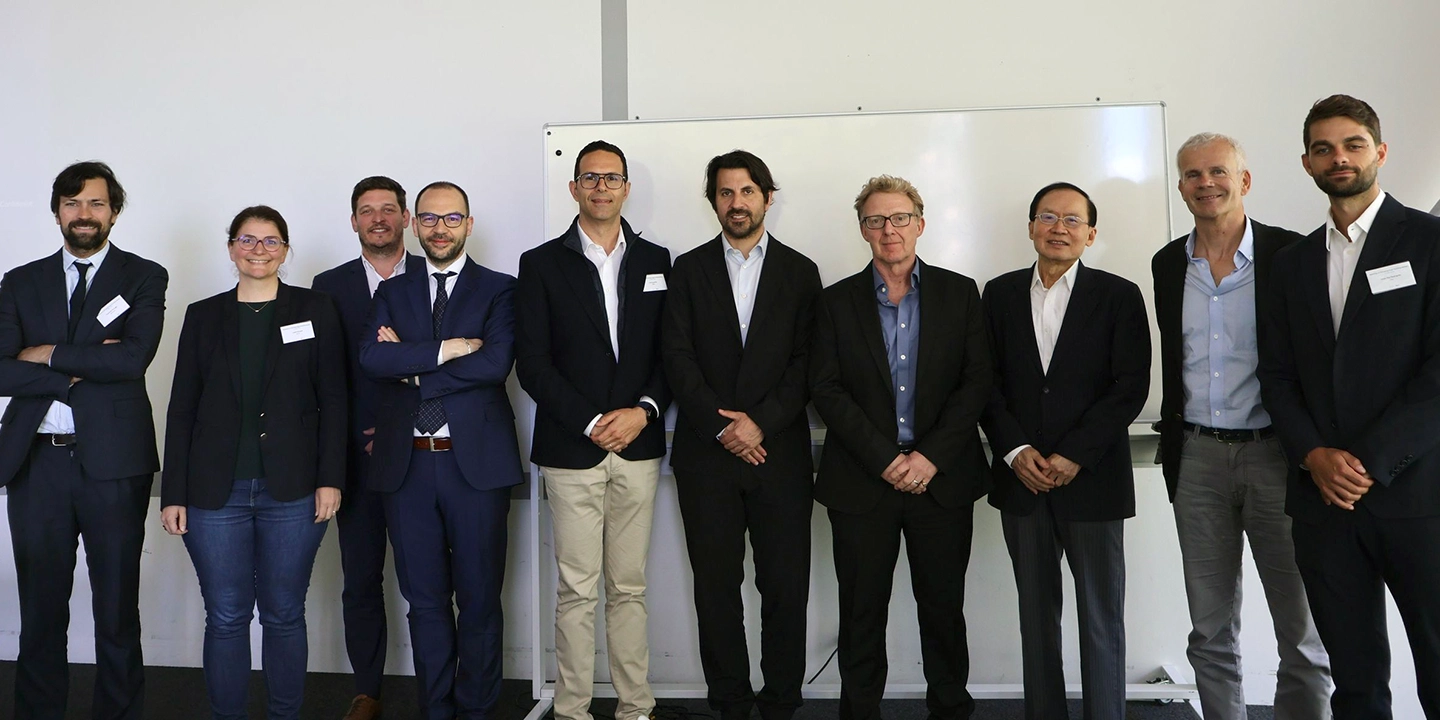
We held a workshop in Lausanne on 12 May, bringing together the implementation task force: regulators, law enforcement, INTERPOL, the Council of Europe, UNODC, and industry data providers. Now the goal is to move from proof of concept to an institutionally embedded, regularly updated monitoring tool for illegal gambling market activity.
But the bigger ambition, and this genuinely excites me, is to establish the WLA as the global reference institution in this field. Not just a trade association, but the body that sets the methodological standard: the organisation that regulators and international bodies turn to when they need credible, rigorous evidence on illegal gambling markets and support them with their struggles with such illegal activities.
The technology that illegal operators use is not standing still. They adapt quickly, they find new channels, they exploit new regulatory gaps. We must move just as fast and having an institutionalised measurement framework that updates regularly is a meaningful part of that response.
I’m proud that through my role as CILBC Chair, we’ve been able to drive this forward together with WLA members. This project is a significant step, but it is a step, not a finish line. My message to colleagues across the industry is: use the tools we’ve built, engage your governments with the evidence, and keep making the case. Illegal operators are counting on us to lose momentum. I don’t think we should give them that.
Watch the video interview here:
About
Media inquiries
Legal notice

PLATINUM Contributors




Gold Contributors


The views expressed in the WLA magazine are those of the authors and do not necessarily reflect the views of the WorldLottery Association.

This pop-up contains legal information about this website.
This content is the property of the World Lottery Association (WLA). It may not be transferred
from the custody or control of the WLA except as authorized in writing by an officer of the WLA.
Neither this document, nor the information it contains, may be used, transferred, reproduced,
published, or disclosed, in whole or in part, either directly or indirectly, except as expressly
authorized by an officer of the WLA, pursuant to written agreement.
The WLA Website has been designed to provide information to the lottery community. The World Lottery Association has used great efforts to provide accurate and up-to-date information. However, WLA excludes any warranty, whether express or implied, for any information provided under these pages. WLA cannot be held responsible for any action taken that is based on the information hereunder.
The WLA Website also contains third party information. Such information is, wherever practically possible, marked with the name of the source and does not necessarily represent the opinion of the World Lottery Association. WLA does not take any responsibility whatsoever for such third party information.
The WLA Website also contains links to other Internet sites. WLA does not have any knowledge of the information contained in such other sites, nor has WLA been able to include such other sites in its efforts to provide accurate information. WLA therefore does not take any responsibility whatsoever for such third party information.
All rights reserved except where indicated.
