
Bet on It: The Global Cost of Looking the Other Way on Prediction Markets


Care to wager on tomorrow's weather? The next spike in fuel prices? The outcome of a national election, a geopolitical conflict, or a championship match?
Welcome to the world of prediction markets, where consumers can trade on the outcomes of almost any event imaginable. What began on the fringes of finance and wagering has rapidly evolved into a global phenomenon attracting billions of dollars and millions of participants.
And yes, sports. Always sports.

According to CBS Sports, in May 2026, Kalshi sports prediction markets hit $10.44 billion in trading – about 60 times more than election trades. With FIFA World Cup 26™ captivating fan bases worldwide, more than $344 million has been traded on Kalshi (as of June 17), with more than $200 million coming just since the beginning of the tournament.
Prediction markets use financial incentives to aggregate information. Participants buy and sell contracts tied to future events, with prices rising and falling based on perceived probabilities. Supporters argue these markets create valuable forecasting tools. Critics see something else entirely: gambling dressed in the language of finance.
Whatever label one chooses, prediction markets are no longer a niche curiosity. Nearly $12 billion was traded on platforms such as Kalshi and Polymarket in a single month at the end of 2025. Their growth is fueled by technology, mobile-first experiences, real-time participation, and a generation of consumers accustomed to moving seamlessly between trading apps, crypto wallets and online betting platforms.

The appeal is obvious. Prediction markets are always on. They are interactive, immediate, and built around real-world events that consumers are already following. They translate uncertainty into a price and offer a sense of participation that feels dynamic and engaging.
But their rapid growth raises an important question for policymakers around the world: when does forecasting become gambling?
In the United States, that debate centers on whether prediction market contracts fall under federal commodities regulation or state gaming laws. State attorneys general from both political parties have argued that many of these products resemble sports betting and should be regulated accordingly. Several states have challenged operators that they believe are offering unlicensed gambling.
Yet this is no longer just an American debate.
From Forecasting Tool to Global Phenomenon
Across Europe, regulators are reaching many of the same conclusions. France, Belgium, Portugal, Romania, Hungary, and the Netherlands have all taken action against major prediction market operators, while Spain and Germany continue to scrutinize their legal status. The United Kingdom permits prediction markets only within a licensed regulatory framework. Gibraltar has become one of the few jurisdictions attempting to create a dedicated regulatory pathway.
Most notably, gambling regulators from Belgium, France, Germany, Italy, the Netherlands, Poland, Portugal, Spain, and Switzerland recently issued a joint statement warning consumers of the risks posed by prediction markets. Their concerns include inadequate age verification, unlimited betting, insider information risks, and financial volatility. Combined, this increases the potential for gambling-related harm—particularly among young adults.
That should be a warning sign for anyone who believes these platforms are merely harmless forecasting tools.

What's at Stake Beyond the Bet
The reality is that prediction markets increasingly compete and exploit the same discretionary spending, the same attention, and often the same customers as traditional gaming products. But they do so without the proportionate guardrails and safeguards that the gaming sector and regulators have collaboratively built in over time. In many jurisdictions, prediction markets may also bypass consumer protections, responsible gambling requirements, and taxation frameworks that licensed operators must adhere to.
This matters because gambling policy has never been solely about entertainment. Nowhere is this more evident than in regulated gaming and lotteries, that generate funding for public priorities and good causes around the world. In the United States, lottery proceeds support education, scholarships, and programs for seniors. Elsewhere, gaming revenues contribute to public services, sports development, cultural initiatives, and community programs.
When activity migrates to lightly regulated or unregulated channels, governments risk losing not only tax revenue but the long-term trust of gamers and vital revenue for good causes.

The Responsible Gaming Challenge
The responsible gaming implications are equally concerning. Traditional lotteries and licensed gaming operators are subject to extensive requirements involving age verification, self-exclusion programs, spending controls, advertising restrictions, and consumer protection measures. Many prediction market platforms operate under very different standards.
As regulators have noted, the combination of 24/7 accessibility, continuous engagement, unrestricted social-media amplification, and event-driven participation can create a powerful and potentially addictive experience, particularly for younger adult consumers.
Their growth reflects genuine consumer demand for immediacy and real-time participation. They have identified a shift in consumer behavior that every gaming operator, lottery, and regulator should take seriously.
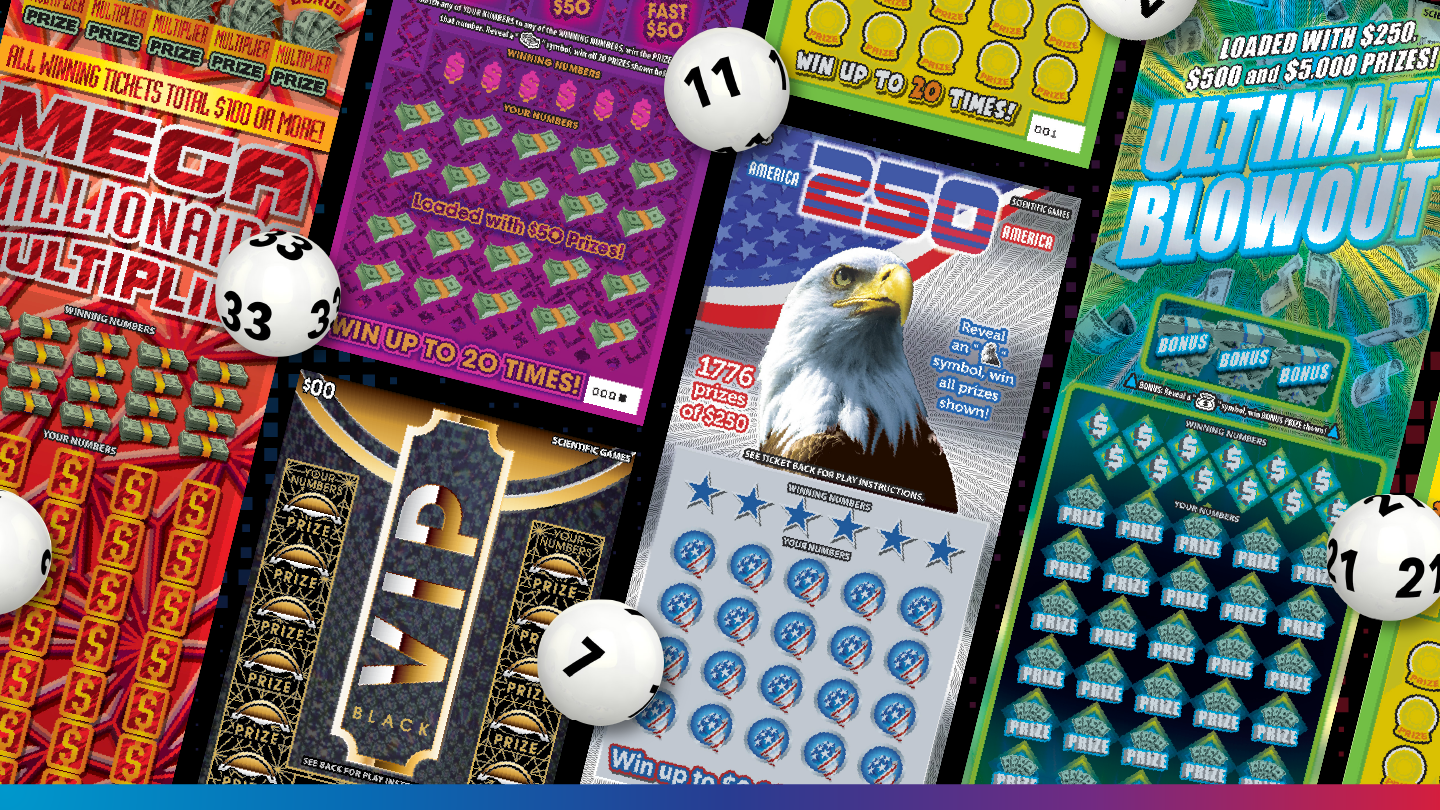
A Wake-Up Call for Lotteries
None of this means prediction markets are going away—quite the opposite.
For lotteries, prediction markets are both a challenge and a wake-up call. Consumers increasingly expect frictionless digital access, account-based participation, wallet integration, and continuous engagement.
The broader question is not whether prediction markets will continue to grow. They almost certainly will.
The question is whether regulators and lawmakers can establish clear, consistent rules before these markets outpace their ability to govern them. The lessons for lotteries are not to imitate prediction markets, it is that they must continue modernizing while preserving the qualities that have long differentiated them: trusted oversight, prize integrity, responsible play frameworks, and a clear public-benefit mission.
The Cost of Inaction
If together we fail, the consequences will extend far beyond legal definitions and jurisdictional disputes. Public revenues will suffer. Consumer protections will erode. Citizens who have chosen limits on gambling through their elected representatives may find those choices effectively bypassed.
Lotteries should lean into their strengths. They must increase investment in modernization – from games to technologies and advertising/marketing – to compete with other forms of gaming that are investing heavily to acquire consumers. While there is no shortage of innovation in suppliers' products and services, lotteries must move now to gain stakeholder support for investing in their long-term sustainability.
The cost of inaction will be high.
Bet on it.
©2026 Scientific Games, LLC. All Rights Reserved.
About
Media inquiries
Legal notice

PLATINUM Contributors



Gold Contributors


The views expressed in the WLA magazine are those of the authors and do not necessarily reflect the views of the WorldLottery Association.

This pop-up contains legal information about this website.
This content is the property of the World Lottery Association (WLA). It may not be transferred
from the custody or control of the WLA except as authorized in writing by an officer of the WLA.
Neither this document, nor the information it contains, may be used, transferred, reproduced,
published, or disclosed, in whole or in part, either directly or indirectly, except as expressly
authorized by an officer of the WLA, pursuant to written agreement.
The WLA Website has been designed to provide information to the lottery community. The World Lottery Association has used great efforts to provide accurate and up-to-date information. However, WLA excludes any warranty, whether express or implied, for any information provided under these pages. WLA cannot be held responsible for any action taken that is based on the information hereunder.
The WLA Website also contains third party information. Such information is, wherever practically possible, marked with the name of the source and does not necessarily represent the opinion of the World Lottery Association. WLA does not take any responsibility whatsoever for such third party information.
The WLA Website also contains links to other Internet sites. WLA does not have any knowledge of the information contained in such other sites, nor has WLA been able to include such other sites in its efforts to provide accurate information. WLA therefore does not take any responsibility whatsoever for such third party information.
All rights reserved except where indicated.
